Currently Reading
Leesa Freeman
Into the Deep End
A current reading record with an active reader thread and supplied discussion screenshots.
Discussion startedReader screenshotsCounts for 30 Day Challenge
Open the discussion pageBook Impact Hub
The Hub gathers approved materials, reader moments, author participation, and the continuing history of books encountered by the community.
What the Hub may hold
Impact Trailer
Cinematic Presentation
Book description
Author introduction
Author Questionnaire
Reading Guide
Companion Guide
Facilitator Guide
Reader discussions
Author responses
Podcast episode
Reader Engagement Documentation
Recognition details
Residency timeline
Not every hub contains every component. Materials appear only when they exist, are applicable, and are approved for publication.
September selection
The September reading program is live with four titles in progress: Leesa Freeman's continuing conversation, John Fields's reflection on gratitude, Lawrence Markx's entry, and Joseph Yao's preparedness discussion. All four are open for reading now.
 Currently Reading
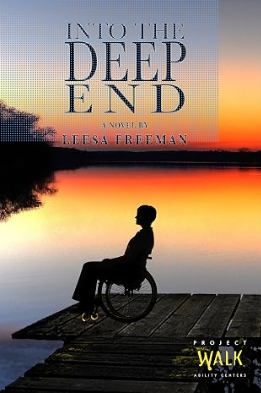
Into the Deep End
Leesa Freeman
Discussion has started on this book and the thread is open to members.
 Currently Reading
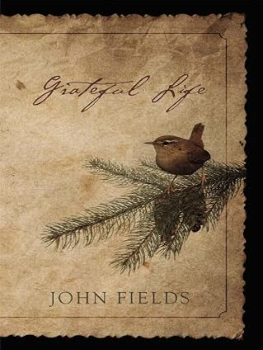
Grateful Life
John Fields
Discussion has started on this book and the thread is open to members.
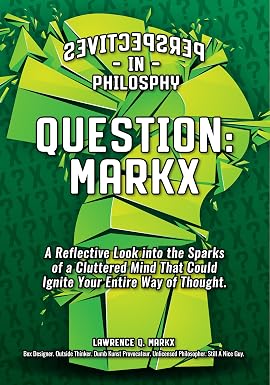 Currently Reading
QUESTION: MARKX
Lawrence Markx
Discussion has started on this book and the thread is open to members.
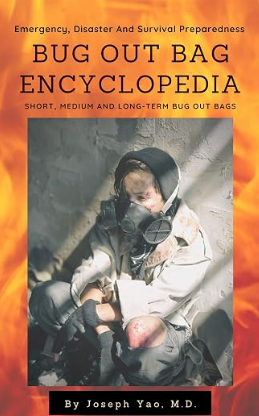 Currently Reading
Bug Out Bag Encyclopedia: Emergency, Disaster, Survival Preparedness
Joseph Yao
Discussion has started on this book and the thread is open to members.
Coming next
These titles are queued for the next reading period, and discussion threads are already open on each of them. They are kept separate from the books already read and discussed by the community.
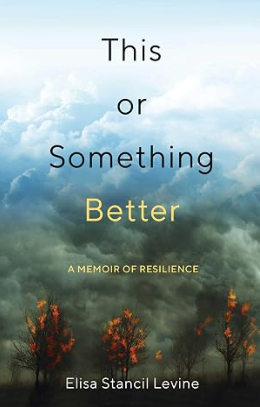 Upcoming
This or Something Better: A Memoir of Resilience
Elisa Stancil Levine
Discussion has started on this book and the thread is open to members.
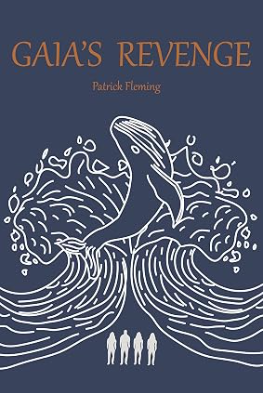 Upcoming
Gaia's Revenge
Patrick Fleming
Discussion has started on this book and the thread is open to members.
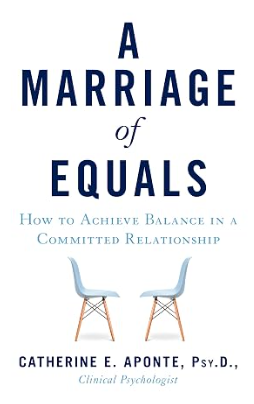 Upcoming
A Marriage of Equals: How to Achieve Balance in a Committed Relationship
Catherine E. Aponte PsyD
Discussion has started on this book and the thread is open to members.
From the studio
Screenshots of the live discussion led by our studio host, with readers responding in their own words. Tap any image to open it full size.
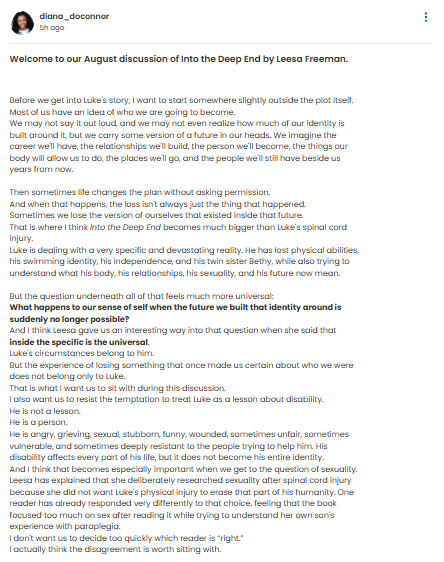
diana_doconnor
Welcome to our August discussion of Into the Deep End by Leesa Freeman.
Before we get into Luke's story, I want to start somewhere slightly outside the plot itself. Most of us have an idea of who we are going to become. We may not say it out loud, and we may not even realize how much of our identity is built around it, but we carry some version of a future in our heads. We imagine the career we'll have, the relationships we'll build, the person we'll become, the things our body will allow us to do, the places we'll go, and the people we'll still have beside us years from now.
Then sometimes life changes the plan without asking permission. And when that happens, the loss isn't always just the thing that happened. Sometimes we lose the version of ourselves that existed inside that future. That is where I think Into the Deep End becomes much bigger than Luke's spinal cord injury.
Luke is dealing with a very specific and devastating reality. He has lost physical abilities, his swimming identity, his independence, and his twin sister Bethy, while also trying to understand what his body, his relationships, his sexuality, and his future now mean.
But the question underneath all of that feels much more universal. What happens to our sense of self when the future we built our identity around is suddenly no longer possible? And I think Leesa gave us an interesting way into that question when she said that inside the specific is the universal.
Luke's circumstances belong to him. But the experience of losing something that once made us certain about who we were does not belong only to Luke. That is what I want to sit with during this discussion.
I also want us to resist the temptation to treat Luke as a lesson about disability. He is not a lesson. He is a person. He is angry, grieving, sexual, stubborn, funny, wounded, sometimes unfair, sometimes vulnerable, and sometimes deeply resistant to the people trying to help him. His disability affects every part of his life, but it does not become his entire identity.
And I think that becomes especially important when we get to the question of sexuality. Leesa has explained that she deliberately researched sexuality after spinal cord injury because she did not want Luke's physical injury to erase that part of his humanity. One reader has already responded very differently to that choice, feeling that the book focused too much on sex after reading it while trying to understand her own son's experience with paraplegia.
I don't want us to decide too quickly which reader is right. I actually think the disagreement is worth sitting with.
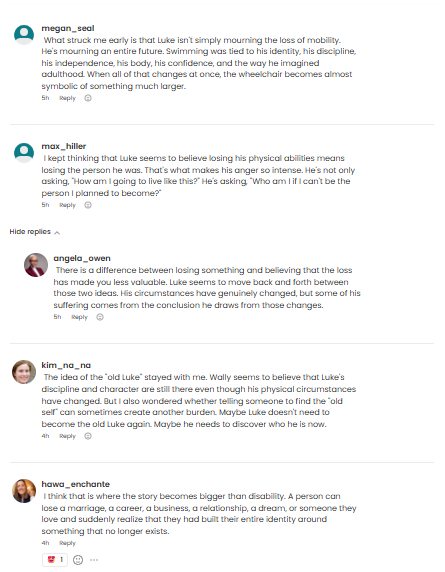
megan_seal
What struck me early is that Luke isn't simply mourning the loss of mobility. He's mourning an entire future. Swimming was tied to his identity, his discipline, his independence, his body, his confidence, and the way he imagined adulthood. When all of that changes at once, the wheelchair becomes almost symbolic of something much larger.
max_hiller
I kept thinking that Luke seems to believe losing his physical abilities means losing the person he was. That's what makes his anger so intense. He's not only asking, "How am I going to live like this?" He's asking, "Who am I if I can't be the person I planned to become?"
angela_owen
There is a difference between losing something and believing that the loss has made you less valuable. Luke seems to move back and forth between those two ideas. His circumstances have genuinely changed, but some of his suffering comes from the conclusion he draws from those changes.
kim_na_na
The idea of the "old Luke" stayed with me. Wally seems to believe that Luke's discipline and character are still there even though his physical circumstances have changed. But I also wondered whether telling someone to find the "old self" can sometimes create another burden. Maybe Luke doesn't need to become the old Luke again. Maybe he needs to discover who he is now.
hawa_enchante
I think that is where the story becomes bigger than disability. A person can lose a marriage, a career, a business, a relationship, a dream, or someone they love and suddenly realize that they had built their entire identity around something that no longer exists.
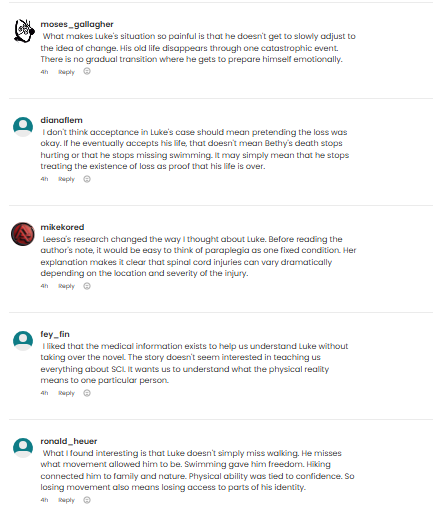
moses_gallagher
What makes Luke's situation so painful is that he doesn't get to slowly adjust to the idea of change. His old life disappears through one catastrophic event. There is no gradual transition where he gets to prepare himself emotionally.
dianaflem
I don't think acceptance in Luke's case should mean pretending the loss was okay. If he eventually accepts his life, that doesn't mean Bethy's death stops hurting or that he stops missing swimming. It may simply mean that he stops treating the existence of loss as proof that his life is over.
mikekored
Leesa's research changed the way I thought about Luke. Before reading the author's note, it would be easy to think of paraplegia as one fixed condition. Her explanation makes it clear that spinal cord injuries can vary dramatically depending on the location and severity of the injury.
fey_fin
I liked that the medical information exists to help us understand Luke without taking over the novel. The story doesn't seem interested in teaching us everything about SCI. It wants us to understand what the physical reality means to one particular person.
ronald_heuer
What I found interesting is that Luke doesn't simply miss walking. He misses what movement allowed him to be. Swimming gave him freedom. Hiking connected him to family and nature. Physical ability was tied to confidence. So losing movement also means losing access to parts of his identity.
Impact Author
This permanent record keeps every previously listed book visible with its author, cover, current status, and available materials. Placement here does not imply a review, rating, or award.
Currently Reading
Into the Deep End
A current reading record with an active reader thread and supplied discussion screenshots.
Currently Reading
Grateful Life
A current reading record held inside the active reader environment.
Currently Reading
QUESTION: MARKX
An active August cycle record with the reader thread open to members.
September Selection
This or Something Better: A Memoir of Resilience
A September selection queued for reading with the discussion thread already open.
September Selection
Gaia's Revenge
A September selection queued for reading with the discussion thread already open.
September Selection
A Marriage of Equals: How to Achieve Balance in a Committed Relationship
A September selection queued for reading with the discussion thread already open.
Currently Reading
Bug Out Bag Encyclopedia: Emergency, Disaster, Survival Preparedness
An active reading record with an ongoing reader discussion on preparedness before the emergency.
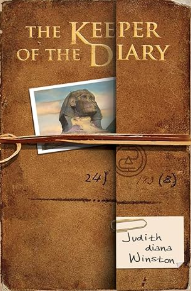
Atelier Record
The Keeper Of The Diary
A preserved title in the Atelier record.
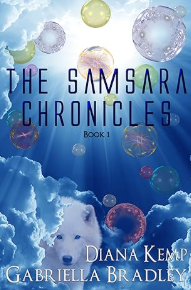
Atelier Record
The Samsara Chronicles, Book 1
A preserved title in the Atelier record.
Atelier Record
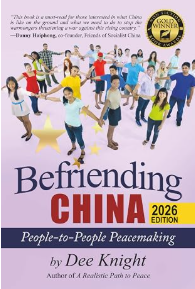
Befriending China
A preserved title in the Atelier record.
Atelier Record
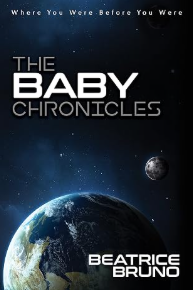
The Baby Chronicles
A preserved title in the Atelier record.

Atelier Record
Walk Through Fire
A preserved title in the Atelier record.

Atelier Record
Alone and All
A preserved title in the Atelier record.
Atelier Record
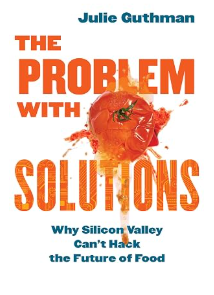
The Problem with Solutions: Why Silicon Valley Can't Hack the Future of Food
A preserved title in the Atelier record.
Atelier Record
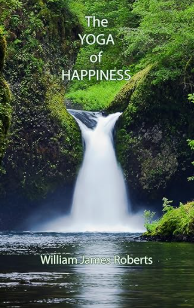
Yoga of Happiness
A preserved title in the Atelier record.
Atelier Record
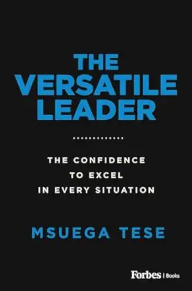
The Versatile Leader: The Confidence to Excel in Every Situation
A preserved title in the Atelier record.
Atelier Record
More Than A Spirit
A preserved title in the Atelier record. Cover material is not currently available.
Atelier Record
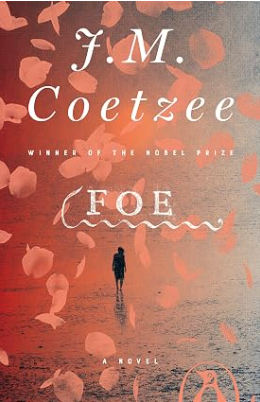
Foe
A previously discussed title preserved in the Atelier record.
Atelier Record
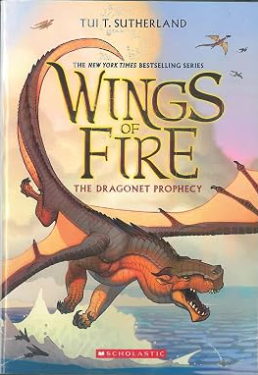
Wings of Fire #1: The Dragonet Prophecy
A previously discussed title preserved in the Atelier record.
Atelier Record
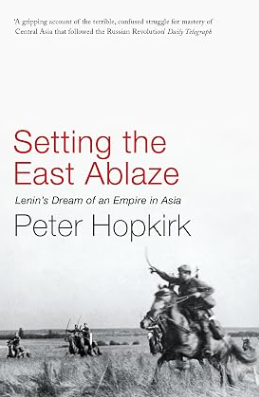
Setting the East Ablaze: Lenin's Dream of an Empire in Asia
A previously discussed title preserved in the Atelier record.
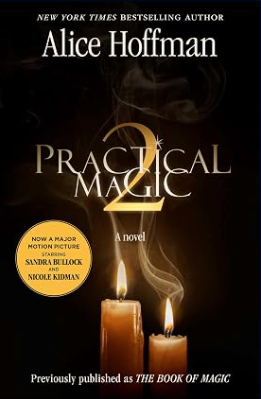
Atelier Record
The Book of Magic (Practical Magic 2)
A previously discussed title preserved in the Atelier record.
Atelier Record
Moon Tiger
A previously discussed title preserved in the Atelier record. Cover material is not currently available.